Moving waters, shifting perspectives
“Fog everywhere. Fog up the river where it flows among green airs and meadows; fog down the river, where it rolls defiled among the tiers of shipping… with fog all round, as if [the people] were up in a balloon hanging in the misty clouds.” – Charles Dickens, Bleak House
Stepping off the water onto Greenwich pier this weekend, having been buffeted along the Thames by boat with the shadows of London looming above, my perspective on London that day had already shifted.
Not often seen at the level of the tide, and so close to the surface that even the smallest ripples appear as broad brushstrokes, London felt different. The barges, wharfs, blackened bricks and slopping waters – all reminders of a time before.
But as plonked onto dry land the illusion was broken – modern day London is a wondrous thing, but it does half shock you out of quiet reflections, the quiet ripples of the river and mind.
A world in miniature
Which is why, turning off Greenwich High Street into a Georgian townhouse-lined avenue and through an unassuming doorway, I found yet another perspective on the city.
The Fan Museum in Greenwich – quiet, transportive, beautiful. A sanctuary easily overlooked or unknown. Set within one of London’s many townhouses, you’d be right for mistaking it as just another private home.
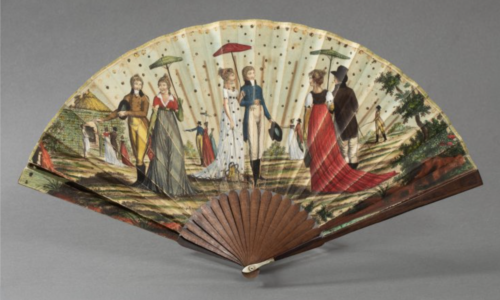
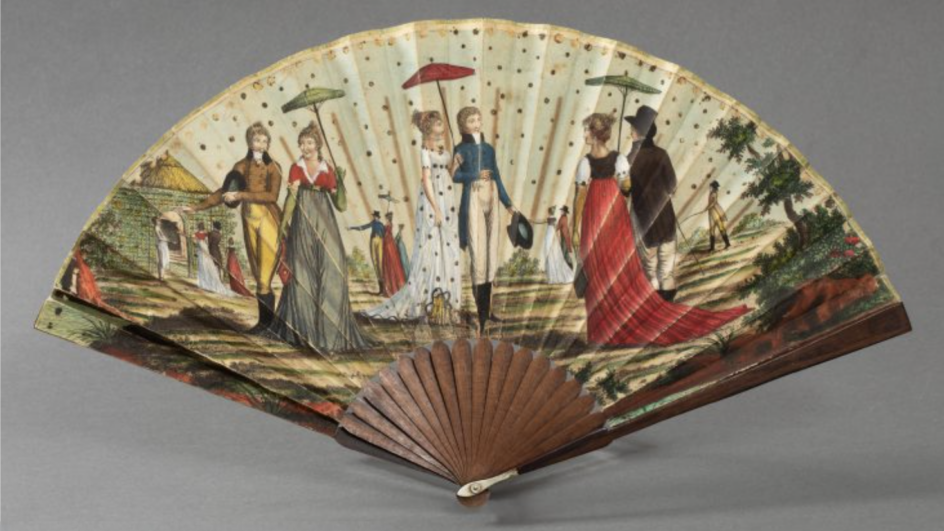
Yet, open to the public for a small fee, this small, highly specialised museum offers a sense of intimacy and escape. For its historical setting, atmosphere of quiet reflection, and most definitely for its collection of fans – each holding a world in miniature, a place on paper, concertinaed and intriguing.
My favourites – the illustrated fans of distant places – the rolling hills of Tuscany, of Mount Vesuvius mid-eruption. Such eighteenth-century fans were markers of identity, status, interests – adventurous spirit. Transportive, celebratory and expressive of the importance of place.
Pockets of optimism
And stepping back, zooming out of the small, folded, painterly worlds… to our own, it made me feel all the more passionate about such places.
Often housed in unassuming properties deep within the fabric of the city, they become sources of constancy and community. In a world where 1 in 3 people feel more at home somewhere other than where they live, these museums might offer just that. Not least because they’re often curated within a house, existing amongst all the typical cues of home, but because they are warm, open, intimate, and always a little eccentric.
These spaces must be protected. In their small, perfectly formed way, they offer respite from the outside world and a way for people to interact with social and cultural history that otherwise might not.
Because as arts funding is continually stripped, we’re seeing the knock-on effect of more and more big-ticket retrospectives. Needless to say, these exhibitions are remarkable in their own way, but they’re also increasingly typified by higher entrance fees and larger crowds. Smaller, specialised museums therefore become pockets of optimism and sanctuary within the cultural landscape: accessible, affordable, intriguing, reflective.
And they do exist. There are more than we think. Hidden and yet to be experienced.
And just around the corner, within a city we think we know so well, if we only know to look for them.
Written by Esther Mason
March 2026
Photo credit: The Fan Museum