Permission and Politics –
The rules of engagement – before and beyond the brief
The outer ring – read the seats
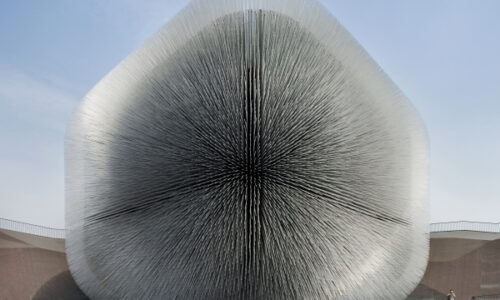
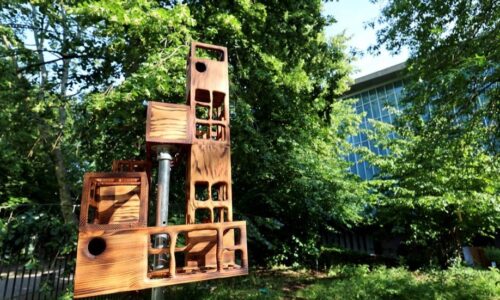
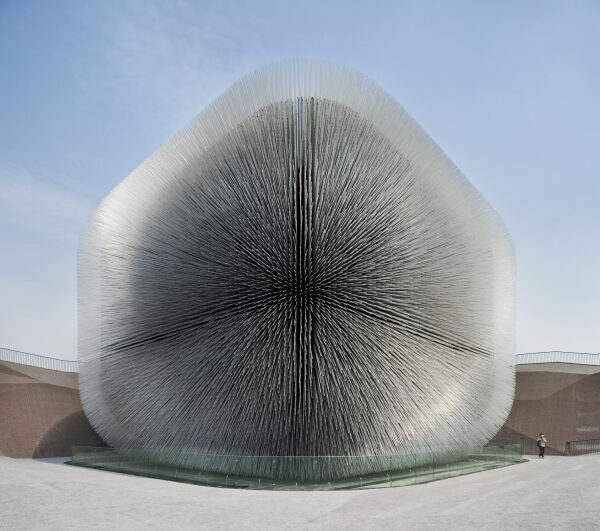
I first encountered the outer ring seating format at the Foreign Office, when working on the British Pavilion for the Shanghai Expo with Thomas Heatherwick. We quickly clocked that the outcome of the meeting was foretold by our designated seat in the room. All going well, we sat at the table. Not so good, a seat at the perimeter. Really bad, no seat at all. The physical coding was clear and actually rather helpful.
At the time, John Lewis felt remarkably similar with its brisk, no-nonsense, quasi-Sandhurst approach to meeting protocol. How very different from our experience at MTV, more 60s happening than meeting. Or Microsoft, where meetings were brought to a close with an almost brutal alacrity.
Elsewhere, there are those meetings where everyone tidies the room and dutifully pushes in their chairs. And those where attendees unthinkingly block their neighbours, with laptops mobilised as shields to commitment.
Mantra, lexicon, semiotic code, ritual and rhythm are more than eccentric quirks: they offer a lens on what is distinctive and what is cherished. They reveal what is important to the organisation, and what is not. These tells and tics create a distinctive patina; belief and behaviour ingrained through osmosis and repetition.
Essential to read and respect. And, most importantly, to savour. I think of Circus as a guest in our client’s company. We will be marooned at the perimeter, until we earn the right to sit at the table.
Permission – navigate beyond the brief
Leaders and investors do not commission our type of work lightly. There will be a business-as-unusual trigger. Something is afoot – new owner, leader, competitor, geography – or such like. There might be a need to hone an existing Purpose or Proposition, or to imagine something new. Such a brief might need to challenge established belief and behaviour to create new possibilities.
Fundamental, therefore, to dig deep into the mandate – to understand the broader Permission set within the client world. We will, of course, come back to the classic strategic consideration of brand, customer or sector permission later in our work. But, first up, we are curious. Before and beyond the brief, we focus on company Permission as a rule of engagement.
What is open to change and challenge? What must be enshrined and protected? What does the organisation believe about itself and its future? Who is the ExCo sponsor? Do investors support new thinking? Is there resource behind the ambition? Is there a will to change?
There will be vintages of work to consider. Some still useful; some brilliant but politically tarnished. A Purpose might be dormant rather than wrong. Values might only recently have been introduced. However, sometimes the past is not the future. The values are generic. The articulation of the vision is underwhelming or nostalgic. The work is not embedded or mobilised. People nod at the intent but happily do their own thing.
Without expert navigation from the client team, our comprehension will be paper thin and inappropriate conclusions will be drawn. A careless binning of the past risks dismissing useful thinking and the goodwill of its supporters. Conversely, a slavish devotion to outmoded positioning is blinkered and unhelpful. Establishing boundaries requires respect and empathy – yes. But also challenge and critique.
An exploration of the Permission set is a foundation, not a straitjacket – for Circus and our client.
Politics – negotiate with candour and courage
Organograms always look so very neat and orderly. Real life is not. It is complex, nuanced and, sometimes, messy. One of our own mantras is People and Politics, before the Project. This is not merely stakeholder alignment; this is about understanding the grain of the organisation.
Just as there are vintages of documents, there are vintages of practice. Vintages by tenure, function, geography or leadership affinity. Political fault lines will impact the brief and the mandate to challenge or conform. A misunderstanding of ambition, power and resource will lead to naïve recommendations and tears before bedtime. Time and money will be wasted. The brief will never get off the page.
Of course, in every organisation, there will be different perspectives, different priorities. Legitimate disagreement and argument. Opinionated and active. Circus seeks to explore this landscape as a source of energy and dynamism. The power and the personality; the individual and the collective view. Who calls the shots? Who feels excluded from the party? Who doesn’t want this brief to happen – and who does?
Many organisations will have been through multiple strategy reviews. Understandably, people might be jaundiced and tired – with an expectation of same old same old. There might be a cultural malaise. Leaders might have come and gone. Investment absent. Faith thin. Or there might be a renewed enthusiasm. A new sparkle together with new folk.
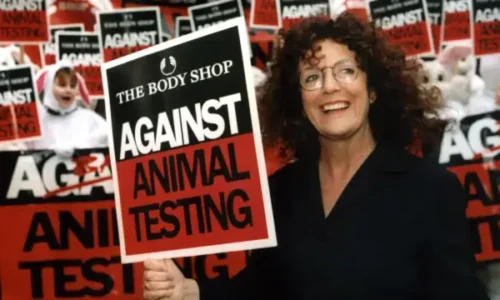
As a strategy practitioner, it can be so very tempting to try to sit at the perimeter, outside the politics. To be transactional and cocooned. But, from my early career as a client, I learnt disagreements must be aired and choreographed for resolution. You can’t hide in your office. (Those were the days). You must skill up. Negotiation is the job. Not a distraction.
There will be strategic tensions to be aired. Choices to be made. There might be winners and losers. There might only be winners. The political frame will be different – but the choreography will always require candour and courage – from Circus and our commissioning client.
We are empathetic to the politics but not disorientated by it.
Possibility – pragmatism and imagination
In my ridiculously long experience, strategy is adopted and implemented when it feels of the company and for the company. It must be commercially, operationally and culturally astute. It must feel credible to those charged with its delivery. Not as an academic exercise. Not as a sideline to the real action.
A mature assessment of company Permission and Politics reveals how the organisation lives and breathes, makes decisions and acts in practice. But it does not dictate the future. It adds texture to the brief, creating the groundwork for something new. It opens minds to possibility and liberates ambition. Respect and challenge. Pragmatism and imagination.
Our job is to partner the client, not to be the client. We are a guest, but not necessarily a quiet one. A seat at the table, yes please – active in the ring, most definitely.
Written by Dilys Maltby
October 2026
Header image: UK Pavilion at Shanghai Expo by Thomas Heatherwick. Photographer: Hufton and Crow.