The people who stay
Fandom, cultural currency and what gets returned.
From Match Attax to Death Note.
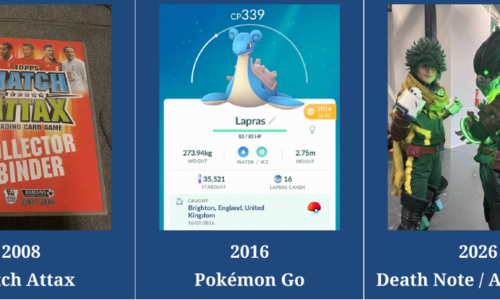
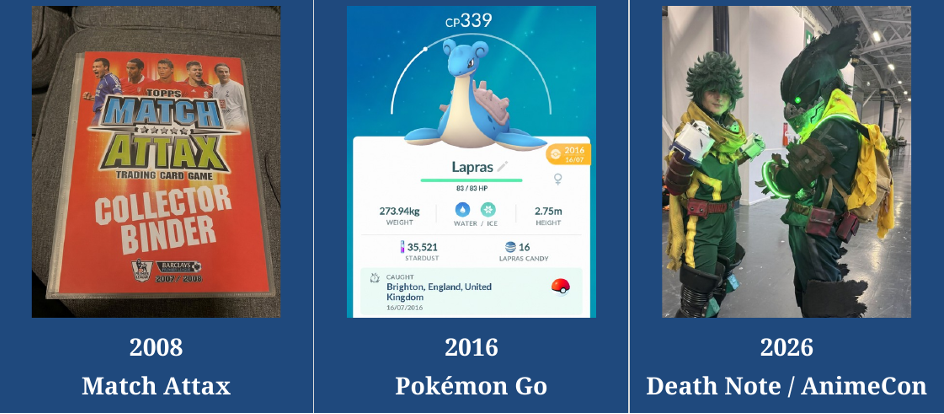
My obsession started in 2008/09 with Match Attax: precious cards tucked into plastic binders. Then came Yu-Gi-Oh! and Pokémon. I loved collecting them, learning the games and finding out what my friends had. Who had a Man of the Match or a Blue-Eyes White Dragon, and what would they take for it?! We taught each other the rules and took considerable pride in knowing more than the next person. I certainly did. Competition was part of the pleasure, but so was spending time with friends who cared as much as I did.
By the age of eight, I had also started watching anime. Whereas Match Attax was social, anime was something I kept more private. I didn’t feel comfortable talking about it. By 2016, Pokémon Go brought me back into a shared and social obsession. I still remember sprinting up the road with a school friend on the appearance of a Lapras – an emergency for us, but not for our teacher. I no longer play, but the emotional attachment to Pokémon has stayed.
Ten years on, with Death Note at the Barbican and AnimeCon UK at Olympia, I am still obsessed by anime. Earwigging strangers discussing the new season of The Apothecary Diaries releasing on Crunchyroll, I realise I am not alone.
WHAT CHANGES WHEN ENTHUSIASM BECOMES COMMERCIALLY VALUABLE?
Working at Circus has made me curious about the other side of that shared enthusiasm. As fandom attracts wider attention, businesses see opportunities too. Some agencies have developed real expertise in helping brands understand these audiences and create experiences for them. That expertise can be valuable to clients and fans alike, bringing design skills, resources and experience from other worlds.
But what happens to someone inside the audience? Do those external capabilities improve the thing they care about? What do the people inside that culture actually get back?
I left AnimeCon with a Hunter x Hunter Funko, and I have already succumbed to Labubu, so I am hardly in a position to argue against buying things connected to something you love. A good object can hold a memory or simply be lovely to own. Making a living from that affection is not automatically a betrayal of it. Commerce is not necessarily the problem. The question is whether it helps people enjoy what they love, or starts getting in the way. For me, the problem begins when financial value makes the original activity harder to pursue. A collection can have a price, without that price becoming its whole purpose.
Pokémon cards make the tension clearer. The same card can be something to play with, admire, remember and resell. The Guardian describes children struggling to find cards as resellers buy up stock.
Pokémon Go makes this even more personal. I was shocked to discover that player-contributed scans were helping Niantic build an AI model of the physical world, with uses beyond the game. Niantic describes potential applications including robotics and spatial planning. These are optional scans of public places; simply walking around and playing does not train the model. But, even with that distinction, it unsettled me. I remember the pull of that Lapras. A world people love can motivate contributions to something much larger than the game. People should understand what they are helping to build, and what comes back to them.
Games Workshop raises a related question about keeping fans involved as a business grows. The Times reports investor concerns about fan loyalty and fatigue with repeated Warhammer releases. Those concerns do not tell us how the whole Warhammer community feels. For me, they raise a useful question: how does a business keep growing while respecting what existing fans value?
From contribution to extraction
A way to question the exchange, not a scorecard.
I don’t expect fandom to sit outside commerce. But I do expect businesses to be clear about what they ask of fans, and to put something back that helps us carry on enjoying what brought us there.
WHAT GETS RETURNED?
The examples I value give people something they can use: a place to meet, practical help, skills or access. Money can change hands, but the relationship works because fans gain something that matters to them.
Fandom has always done this in small ways. Someone teaches you the rules of Dungeons & Dragons or runs your first game, lends you a card, recommends the right episode to start with or simply makes room for somebody new.
With Warhammer, it might be someone showing you how to paint a miniature, or helping you avoid ruining your first one. The miniature is something you buy, but the knowledge is something people pass on. That is part of a community looking after its people.
None of it feels like ‘infrastructure’ at the time. It just feels like people helping other people enjoy the thing they enjoy too.
Sometimes that informal contribution becomes more organised. Pokémon Professors volunteer to teach people to play and run tournaments, helping others find their way in and keep playing. Their knowledge becomes part of what makes the game accessible to somebody else.
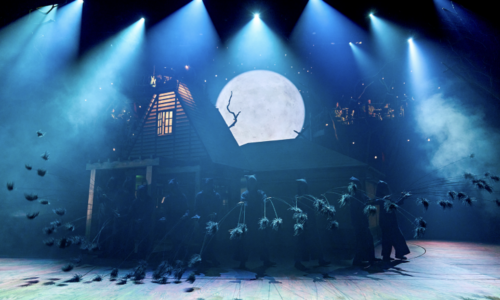
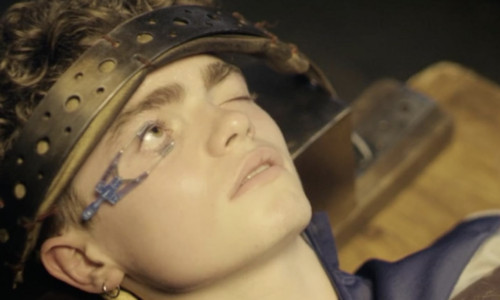
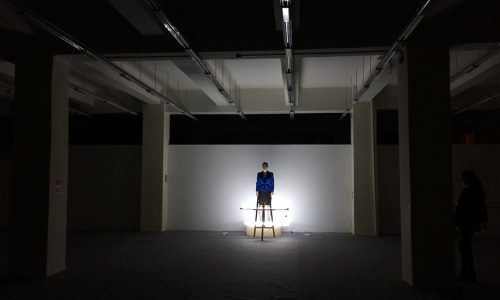
At Death Note, I was worried that a musical treatment might be inauthentic. But the cosplay, dyed hair and familiar references of the audience demonstrated our shared enthusiasm and immediately put me at ease. This was a different kind of return. Rather than treating anime fandom as a novelty or borrowing its visual language, Death Note gave the material scale, craft and seriousness. There was commercial value in filling the theatre, but something came back too: a story people already cared about was given the resources of a major stage.1
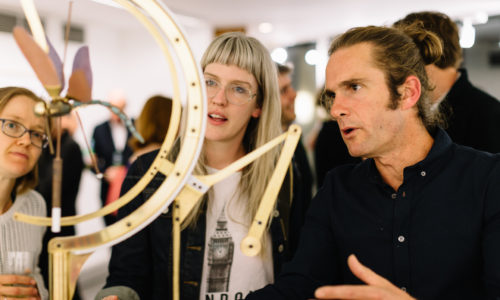
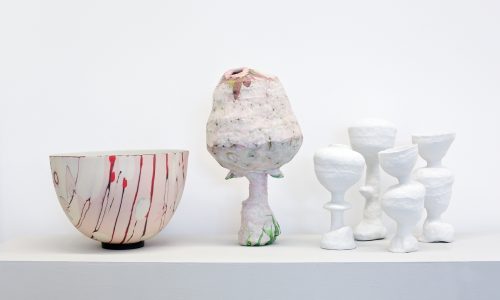
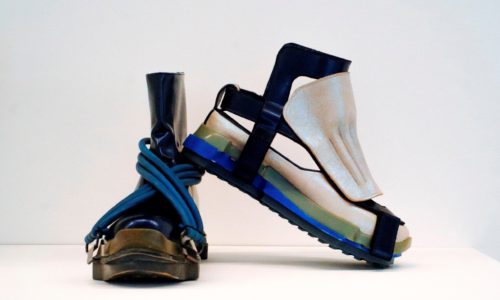
At AnimeCon, I recognised the same instinct in a different setting: costumes, ceramics, custom trainers and collectibles everywhere. Fans were bringing their own skills and interpretations to stories they loved. The Cosplay Hospital was a free space with glue guns, tools and practical help for something that had broken. KeKo Club created ceramic workshops for beginners to use anime sketches or a favourite theme. Otaku Sole was making anime-inspired custom trainers. Everywhere, people were sharing something they love and making it their own.
Making, watching, playing and enjoying – this is the world.
THE PEOPLE WHO STAY
The people who stay are not necessarily the people who were there first. Someone might discover a series last month and still love it in ten years; someone who cared twenty years ago might drift away and return. For me, commitment is not only about time served. It is also about welcoming somebody in, passing on a skill or helping a costume survive the afternoon.
Fans are not passive ‘audiences’. They can usually tell when somebody is trying to understand their world and when they are only borrowing it to look interesting. That does not put them on equal footing with a business or platform, but it does mean they notice how they are treated.
For a brand or agency entering these worlds, I think the work starts with listening to the people already there. Involve them in shaping the idea, credit and pay for their contribution, and be clear about what the community will gain. A convincing connection needs to make sense to the fan as well as to the client.
The more I think about AnimeCon, the more I come back to that repair table. Its generosity was practical: it helped somebody enjoy the rest of their day. Fans already put so much into these worlds. As businesses become part of them, the energy needs to flow both ways, with support that lasts beyond a launch or a moment of attention.
If a business wants the loyalty of the people who stay, it needs to match their commitment.
Match Attax. A lesson for us all.
Written by Aldo Maland
October 2026
Sources:
- Death Note: The Musical announces new 2027 Barbican season. The reported sell-out run and musical box-office record.
- The Guardian. How Pokémon cards became a stock market for millennials. 8 December 2025. Resale, collecting and access to cards.
- Niantic Spatial. Building a Large Geospatial Model to Achieve Spatial Intelligence. Optional player-contributed scans, the ordinary-gameplay clarification and applications beyond games.
- Otaku Sole. How it all began. The business’s published account of its origins and development.
- KeKo Club. About us. Kateryna Shamshuryna-Acland’s published account of discovering clay and creating the studio.
- KeKo Club. Classes: Ramen Bowl Pottery Workshop. The workshop description and its invitation to beginners to use anime sketches or a favourite theme.
- Pokémon Professor Community. Professor Program. Official description of the volunteer community teaching people to play, upholding rules and running tournaments.
- The Future of Entertainment and IP Experience. Agency perspective on designing experiences around fandom and creating value for clients.
- The Times. Is Warhammer maker Games Workshop losing its diehard fans? 16 October 2026. Reported concerns about fan loyalty, release fatigue and investor sentiment.