World Retail Congress 2026:
The Art of Shopkeeping in the Digital Age
I love shops – good ones. I love the show. The choreography of people and product, of space and time, of design and experience. And most importantly, of ideas and imagination.
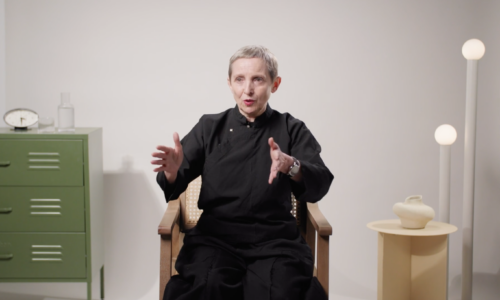
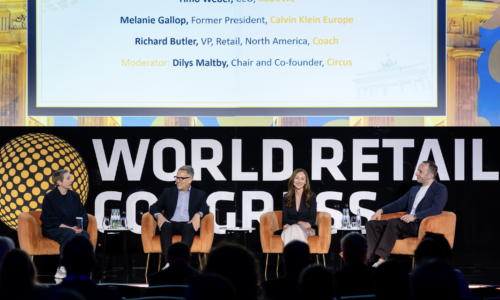
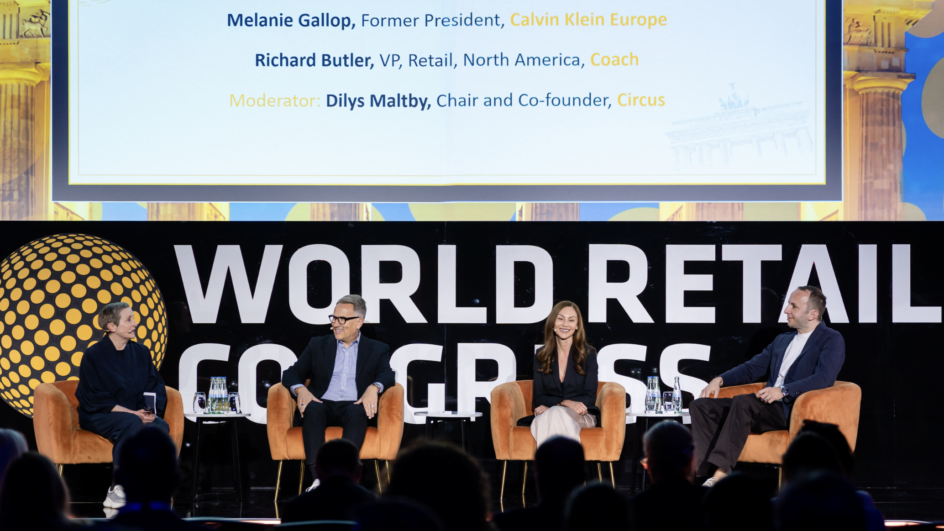
This week in Berlin, such a treat to chair a panel on the very definition of shopkeeping. With Agentic AI fast upon us and e/social commerce making transaction efficient and immediate, our panel celebrated the importance of people and place. We celebrated the distinctive and the delightful. We explored the concept of a shopkeeper, not as a quaint history lesson, but as existential human connection.
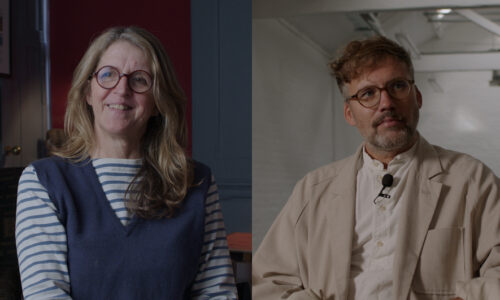
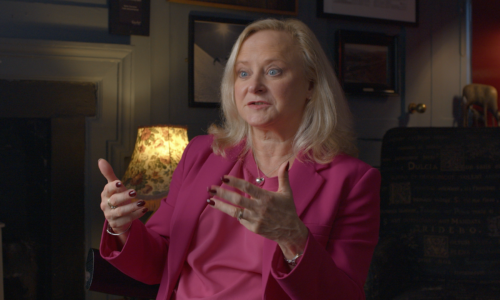
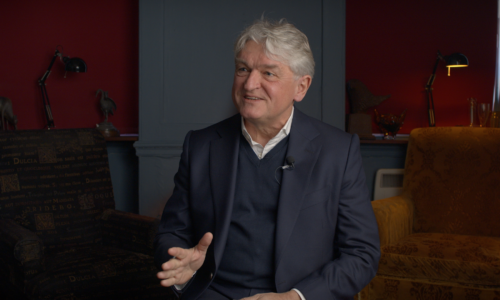
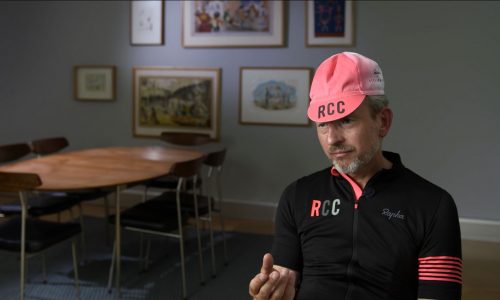
Melanie Gallop (Former President, Calvin Klein Europe), Richard Butler (VP North America Stores, Training & VM, Coach), and Timo Weber (CEO, THE KADEWE GROUP) shared expertise and enthusiasm. There is a creativity in consumer brands, which sometimes gets lost in commercial debate. Not on our panel.
Shopkeeping as art: absolutely. A space where something unexpected can happen. Richard spoke to visual magnetism and tactile discovery, to design of the senses. An invitation to play, to explore, to personalise.
Shopkeeping as human connector: For the customer, the physical space reveals the brand on its most interesting day. With the shopkeeper, the colleague, ever more important. AI simplifying tasks, surfacing insight, freeing up time to spend on customers and product knowhow.
Timo positioned KaDeWe as a “house of encounters.” A place where communities gather, where commerce and culture intersect. Shaped by its city, its people, its rhythms for nearly 120 years.
Shopkeeping as resonance: Melanie drew an important distinction between relevance and resonance. Resonance is earnt through consistency, meaning, and a deep understanding of the customer as a person. Resonance creates a memory of the brand, beyond the transaction.
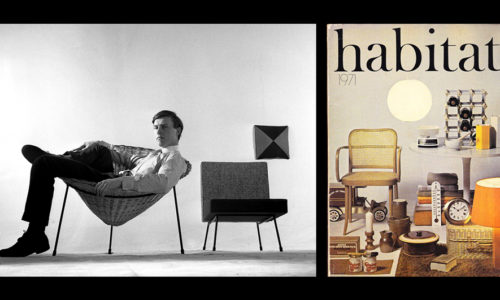
My perspective: In a time before Circus, I worked for two outstanding shopkeepers – Terence Conran and Anita Roddick. They were impresarios – masters of the art of shopkeeping. They believed in design and visual merchandising, in product and participation. We defined the store as media, as a dynamic showcase for the brand. Both were evangelical – Terence on a mission to introduce modern design: Anita maverick by nature. Both loved to sell. Both believed in outstanding customer and colleague experience.
From our panel, a similar conviction in the art of the shopkeeper. As the German Minister, Karsten Wildberger, put it, physical retail is a social good. I agree.
Written by Dilys Maltby
Photo: Gomes Photography
April 2026