Purpose: in the ring
In conversation with our clients
Lexicon is faddy. Clarity itself is not
We enjoy working with brands which feel open, transparent and inclusive. Brands that genuinely encourage people – customers, colleagues, partners – to join in, rather than observe or serve.
Here, there is a different kind of cultural energy. Colleagues learn through ritual and share through parable. People are proud to work here. And this feeling extends beyond the organisation itself. These brands endeavour to inspire a different type of loyalty – relationships that move beyond the transactional, sometimes beyond the rational.
Over time, we have come to understand that this is not accidental.
These organisations believe in a north star – clarity around why they exist and for whom.
The lexicon is faddy – over the years, such clarity has been called Vision and Mission, Brand Strategy, Purpose. The nomenclature is irrelevant. The clarity itself is not. These organisations know that belonging is not a catch phrase. They know that belief must be evidenced through both the commercial offer and the culture itself.
“When investors are buying into Springer Nature, they’re buying into its purpose.”
– Joyce Lorigan, Springer Nature
Purpose as Business Driver – a framework for decision making
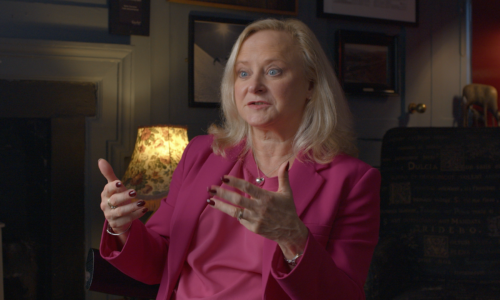
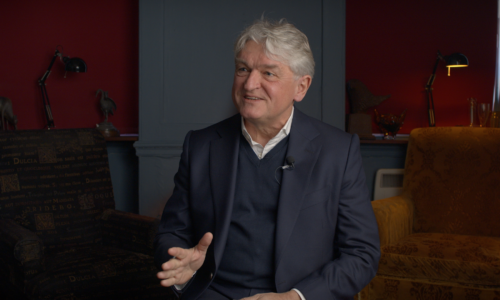
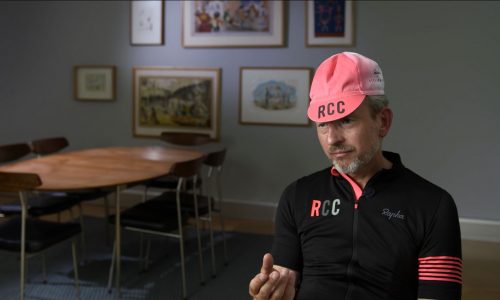
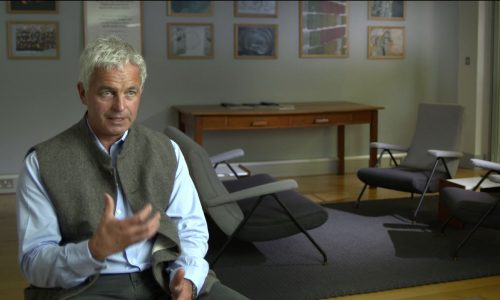
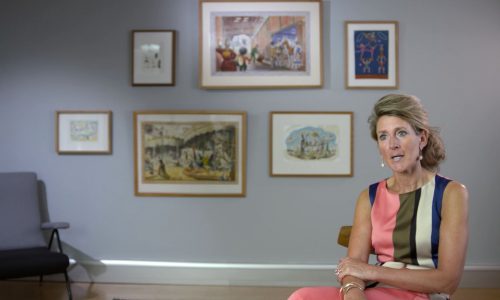
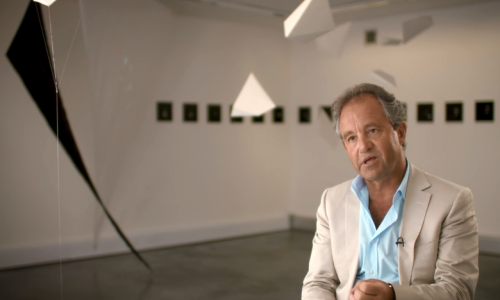
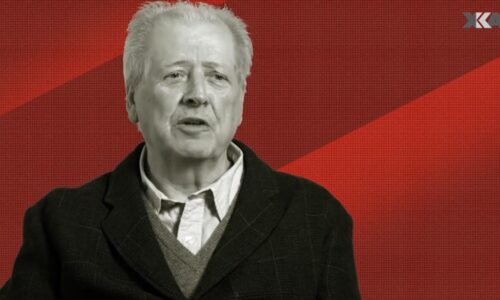
In this film, we explore Purpose as Business Driver with Chris Nott, Emma Bridgewater, Joyce Lorrigan, Simone Davies and Tom Broughton.
Across very different sectors, at very different life stages, our clients return to a similar idea: that purpose is not simply a statement, but something that shapes how an organisation thinks, acts and decides.
“If you don’t have a clear set of beliefs, you don’t have a framework for making decisions – or defending them.”
– Tom Broughton, Cubitts
Purpose as proposition – commercial and cultural
For many organisations, this is the point at which purpose becomes visible – made manifest in the commercial proposition and the culture.
For some, this moment arrives in a funding round or IPO – the requirement to articulate not just what you do but why it matters. For others, it surfaces in every client conversation, every hire, every decision about how to behave in a difficult moment.
What these organisations share is an understanding that proposition are not separate, but the same. The commercial offer is an expression of the beliefs that underpin it.
“The thing that distinguishes all law firms from one another is not what they do. It’s the manner in which they go about doing it.”
– Chris Nott, Capital Law
Purpose as codification of belief and ambition – instructive and inspirational
As organisations grow, instinct is no longer enough.
What may once have been held informally – in the mind of a founder or a small group – needs to be articulated more clearly, so that others can act with confidence and consistency. Writing these beliefs down becomes important.
It allows decisions to be grounded, debated and defended. It creates a common reference point, particularly when the organisation becomes more complex – when not everyone is in the same room, and when new voices are involved.
Purpose, in this sense, becomes a system. A way of thinking that guides behaviour, shapes judgement, and brings coherence to the everyday.
“There are countless opportunities and some of the decision making will be around cost and ROI but actually more important is: does it tie in with what you’re doing? Does it tie in with who you are?”
– Simone Davies, Global University Systems
Purpose as participation – an invitation to join in
But such organisations are sometimes foggy. There is subjectivity. There is passion. Colleagues don’t sit quietly. They argue, they debate, they pioneer. And, importantly, in our work, they must be invited to participate.
Our work will always result in a clear articulation – why and for whom, a roadmap. But it only delivers sustained success, when it is negotiated and navigated as a collaborative venture. When it is culturally attuned. Definition – yes of course. But importantly, Translation – embedding and sharing. And Mobilisation. Three stages not one.
Participation starts at the get go with process and team design. A shift from communication as broadcast to something more conversational; from strategy as documented deliverable to co-authorship and collaboration. Deliberate and considered.
This matters because it changes the nature of what follows. Decisions are better understood. The work is carried forward with a sense of conviction that is difficult to create in any other way. It is what happens between people – the negotiation, the conversation, the shared understanding – that gives strategy rigour and resilience. That creates the common ground for colleagues to invent the future together.
To describe what an organisation believes is one thing. To invite others to engage with that belief, and then to act upon it, is another. This is where Purpose becomes lived.
Leaders are often required to articulate these ideas to large groups of people, sometimes at moments of change or uncertainty. The idea has to hold. It has to feel true. People tend to know whether it is meant.
And so the work becomes, in part, about describing something that others can participate in – something they recognise, understand, and choose to carry forward in their own way.
Distinction and desirability – ambitious yes, but truthful too.
At Circus, we see these three dimensions as connected.
Purpose as proposition.
Purpose as codification of belief.
Purpose as participation.
Together, they move purpose from something that is said, to something that is understood – and, ultimately, something that is lived.
For us, it remains a simple, enduring idea.
To be clear about what you believe – and to carry that belief, consistently and collectively, into the world.
Written by Dilys Maltby
June 2026