In the Ring
Conviction and Codification – A Tale of Two Founders
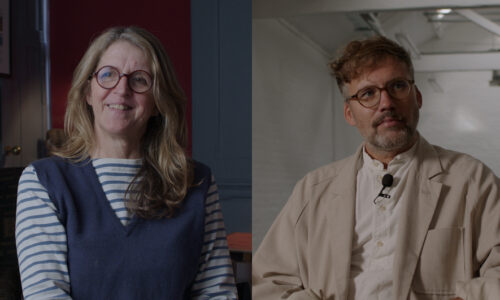
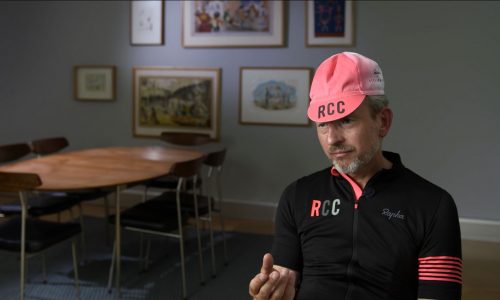
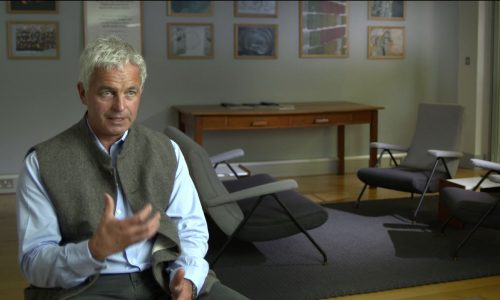
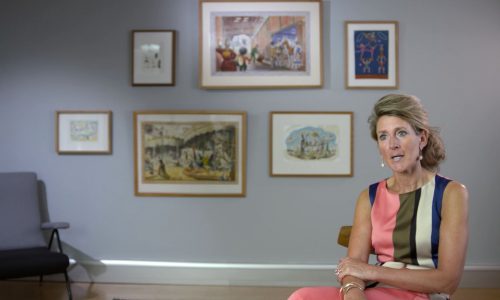
In conversation with Emma Bridgewater and Tom Broughton
I like working with Founders and with companies with a strong Founder legacy. I am intrigued by the motivation to create something new, and the resilience and grit to stick with it through the highs and lows of growth and maturity.
The two Founders in this tale did not start with a business plan, but with a deeply held belief that they could see something others could not and could create something rare and important.
In our film, Emma Bridgewater and Tom Broughton reflect on their journey from personal conviction to shared belief. Their stories are different in detail, but remarkably similar in essence. Seen through our Circus Founder Construct, each moves from Genesis, through Evolution, to Legacy. Emma founded her business in Stoke-on-Trent in the 1980s; Tom founded Cubitts nearly three decades later. Different generations. Different sectors. Both now working with external investors.
Both Founders cherish design thinking and practice. Both understand the intimacy and importance of their product. Both believe in the power of place. Their brands embody a philosophy – a way of living and being that reaches beyond the transactional.
Genesis – The Founder Epiphany
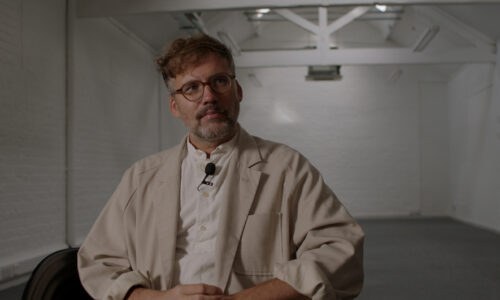
“I realised that the way I thought about glasses wasn’t shared by that many other people. I’d see these incredible oversized frames in films and on television. Then I’d walk into an optician, and it seemed they were selling glasses for people who didn’t want to wear glasses. I couldn’t reconcile those two things.” Tom Broughton
Tom and Emma did not begin with a confident business case. They began with an epiphany – from revelation, to creative vision, to conviction.
For Tom, there was a disconnect between the confidence and swagger of oversized spectacles in popular culture and the apologetic hesitancy with which they were sold. He could not understand why his father would take off his glasses for family photographs, whilst Tom would put his on.
“The frames and the lenses become about how you see, but also how the world sees you.”
That contradiction led to a conviction: that the wearing of spectacles could become an act of creativity and self-expression, not simply a medical remedy. Something important. Something beautiful.
“I had two things in mind always: to recreate the extraordinary warmth of my childhood… and capturing the magic of what Stoke can do.” Emma Bridgewater
Emma Bridgewater’s story begins elsewhere. Discovering the extraordinary craft of the potteries in Stoke-on-Trent, Emma recognised that the industry itself was at risk of disappearing.
She responded by creating a new pottery as an ode to her mother, to the warmth, generosity and ritual of her childhood, and to the remarkable skills of Stoke. She recognised something important about domestic pottery – historically, one of the few places where women exercised agency through taste, hospitality and care.
Conviction as campaign, and as joy.
“I love the fact that, in a very small, not hugely significant way, the brand has a very intimate relationship within people’s families.”
Both Founders designed around themselves, their lives and their perspective.
Both businesses came later.
“I started a business purely to follow my passion and hobby… The target customer is me, and it’s still me.” Tom Broughton
“It was, in many ways, blatantly not a commercial enterprise. It was a very personal kind of crusade.” Emma Bridgewater
Conviction came first.
Evolution – Founder Belief to Brand Behaviour
“The belief throughout the company from the very first day, even if it wasn’t written down, was that there shouldn’t be any stigma wearing glasses – and in fact, quite the opposite.” Tom Broughton
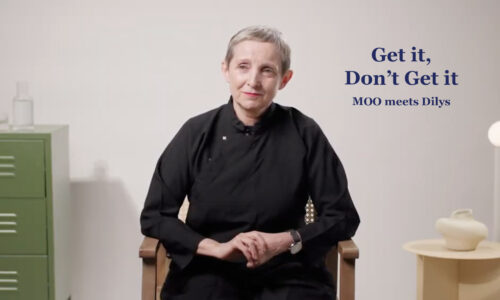
Both Emma and Tom describe the knotty process of turning personal Founder belief into Brand Behaviour. At Circus, we call this the “Get it, Don’t Get it” moment. What is self-evident to the Founder is not necessarily self-evident to everyone else. For the Founder, the first step is to articulate personal belief. The second step is to codify this as company practice – not as hollow mantra. Personal belief inspires Brand Behaviour – for the whole company not just the Founder.
For Cubitts, belief is embodied as everyday ritual. New recruits make their own pair of spectacles. Design, craft and durability are not simply discussed; they are experienced.
“We have three broad beliefs that are embedded in the business. They are: good design changes lives; growth is an output, not a goal; and spectacles are more than just a product. The entire company lives those beliefs every single day.”
The belief that good design changes lives is a responsibility shared by all. Pride, precision, and judgement create the experience for colleague, and for customer.
“We make and sell a product that people need… We have an obligation, and there’s a technical consideration about doing something in the right way that might not necessarily be overtly inspiring, but it doesn’t mean it’s not incredibly important.”
For Emma, belief is made manifest through a similar design practice.
Designs begin not on a screen but with drawing, and then a hand-cut sponge. Products must first delight emotionally before they satisfy commercially. Warmth is not an outcome; it is woven into the making from the very beginning.
“Warmth is a key quality that I would love to think that the company stands for, and the product brings to people’s lives.”
Place matters deeply to both. Emma conjures a bohemian world of the English countryside and the kitchen. Tom embodies a modern Britain shaped by architecture, craft and culture.
From Founder belief to Brand Behaviour, both Emma and Tom demonstrate their conviction through practice and parable.
Legacy – Evergreen Distinction Beyond the Founder
“Ideology creates the underpinning. Everything else is short-term, daily, weekly, monthly decision making. What ideology allows you to do is define where you want to be in a hundred years’ time.” Tom Broughton
The greatest challenge for any Founder is not Genesis. It is Legacy.
How do we create organisations of enduring importance beyond the individual? We call this Evergreen Distinction beyond the Founder.
Easy to write. Hard to enshrine.
Growth changes every organisation. New colleagues arrive. Leadership evolves. Investment brings new perspective. Responsibility is shared. What once sat instinctively with the Founder now must be shared. There must be mutuality.
As Emma reflects, the ambition is not to preserve the Founder, but to preserve what the Founder believes.
“I now have a sort of semi-detached role as Founder, but I’m envisaging a time when I’m not involved in the business, and I really passionately want it to go on and go forward.” Emma Bridgewater
This is the important role of codification. Not as bureaucracy, but as generosity.
For Emma and Tom, the codification of conviction gives others the confidence to exercise judgement with the same eye. It creates a shared philosophy and a common language that can be interpreted by future colleagues whilst remaining true to its original intent.
From Genesis, to Evolution and Legacy, the Founder tale is always compelling. But for Evergreen Distinction beyond the Founder, personal belief must be articulated and made manifest through Brand Behaviour.
Conviction and codification must go hand in hand.
“The entire company lives those beliefs every single day.”
Thank you to Emma and Tom for their generosity and candour.
Written by Dilys Maltby
July 2026